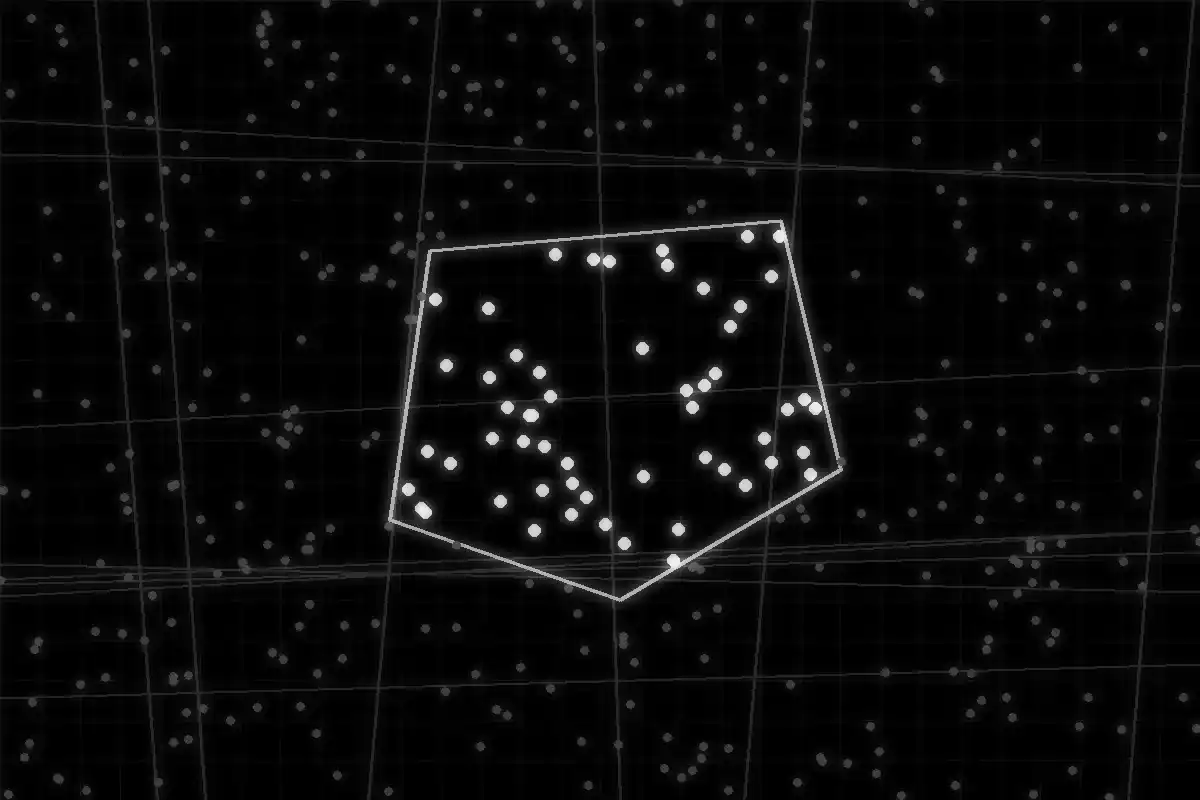
In a decision that privacy advocates had been waiting on for most of the year, the Supreme Court held in Chatrie v. United States that police conduct a Fourth Amendment search when they obtain a person’s cell-phone location data from Google through a geofence warrant. Justice Kagan wrote for a 6-3 majority, joined by the Chief Justice, Sotomayor, Kavanaugh, Jackson, and Gorsuch. The ruling closes a long-running dispute among the lower courts and places geofence practices inside the same constitutional framework the Court built out for cell-site data in Carpenter v. United States back in 2018.
The holding matters, but it is also narrower than the headlines made it look. The Court decided only that a search occurred. It left the harder question — whether this particular warrant was specific enough, backed by probable cause, and worth excluding the evidence from Chatrie’s conviction — for the Fourth Circuit to work out on remand. Justice Jackson, writing in concurrence with Justice Sotomayor, went further and argued that the three-step geofence process effectively delegated a magistrate’s job to Google and the police, leaving far too much discretion in private hands. That is the framing worth tracking as the lower courts take the next pass. For a sense of how patchwork the location-data landscape still is, the FTC’s recent ban on Kochava’s sale of precise location data tells you where the regulators are drawing lines on the commercial side of the same pipeline.
The dissents are where the article gets honest about the limits. Justice Alito, joined on parts by Thomas and Barrett, wrote that “not one iota of the majority opinion will affect the outcome of this case,” because the exclusionary rule’s good-faith exception keeps the evidence in regardless of whether the warrant was later deemed defective. That is the mechanism by which a privacy victory at the Supreme Court can leave the practical reality mostly untouched, and it is almost certainly where the Fourth Circuit will land on remand. Even a cleaner holding would not have addressed the parallel universe in which the same location data is bought and sold on the open market without any warrant at all — the industry that Chatrie does not regulate and that no single ruling can shut down.
That is why the most meaningful privacy work still happens on your own device. Operating systems are catching up — Android 17 now limits apps to on-screen location access and surfaces an indicator the moment your location is read — but a locked-down OS does nothing about the trail your browser leaves across the web. Incognito Browser, the best free privacy browser for Android, is built around the opposite assumption of the geofence model: nothing is kept that does not need to be kept. It blocks the trackers that stitch together your movements across sites and wipes your session the moment you close the app, so there is no lingering record for a broker, an advertiser, or a court-ordered dragnet to pick up. The Court said the Fourth Amendment finally reaches geofence warrants. You can install Incognito Browser free on the Google Play Store and stop waiting for the rest of the system to catch up.