We make Incognito Browser, a private browser for Android. It is a separate app and is not related to Google Chrome’s Incognito mode.
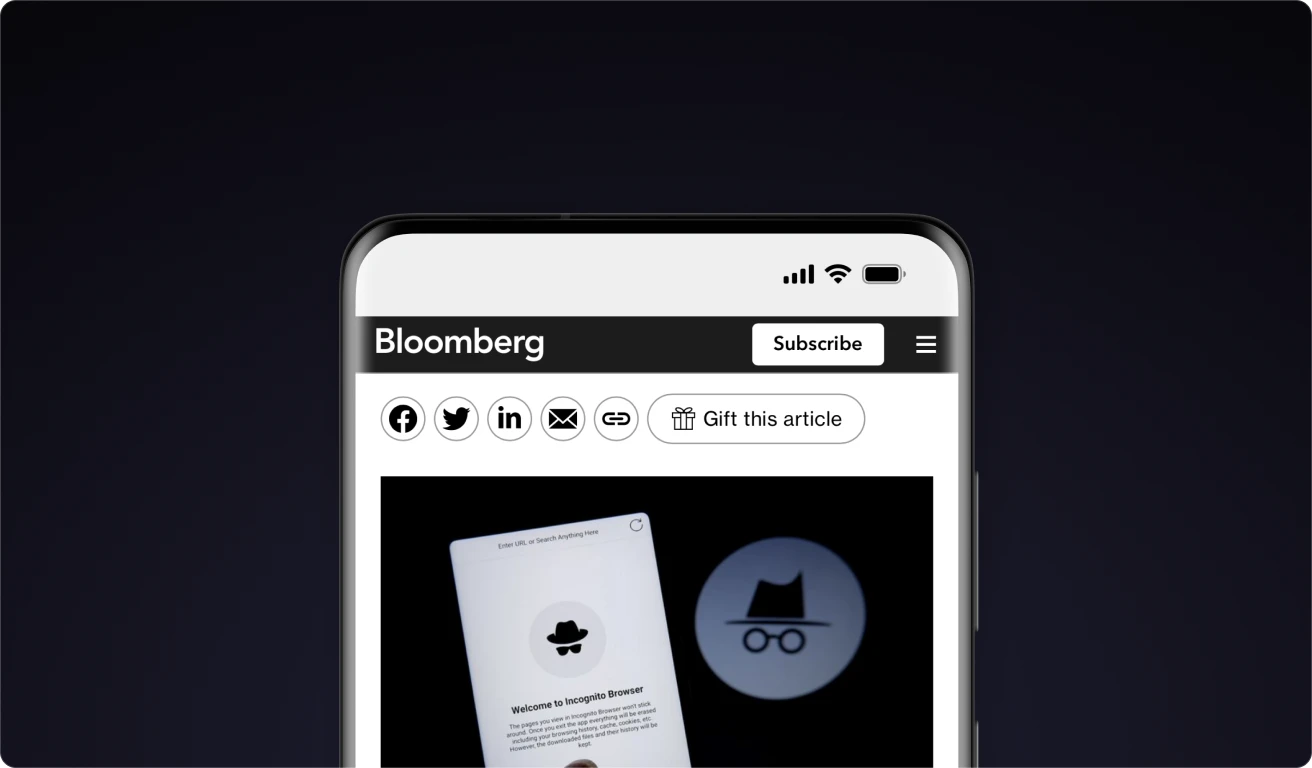
In October 2022, Bloomberg reported on internal Google emails that raised doubts about Google’s Incognito mode, a feature many people assumed kept their browsing hidden from prying eyes. The emails, made public in a major consumer lawsuit, pointed to a gap between what users expected and what Google’s Incognito mode actually did.
The Lawsuit at the Heart of the Matter
At the center of this controversy was a consumer class action, filed in 2020, that sought billions of dollars in damages from Google. It challenged the idea that Google’s Incognito mode offered the level of privacy users had been led to believe. Internal communications from Google’s own staff suggested the company knew the feature fell short of being “truly private.”
Documents unearthed in the lawsuit included a candid email from Google’s marketing chief to CEO Sundar Pichai that pointed to an internal acknowledgment of Incognito mode’s limits. According to the plaintiffs, court filings also showed employees discussing how the feature’s privacy promises could mislead people, and proposals to describe it more accurately that senior leaders set aside. Google denied wrongdoing.
A Mismatch Between Promise and Practice
Bloomberg’s reporting shed light on a critical issue: the gap between how Incognito mode was presented and what it actually did. Google presented Incognito as a way to browse privately, but the lawsuit argued that Google kept collecting data from people using it in ways they did not expect or agree to. Google’s own help page now spells out the limits. Websites you visit, including Google sites, and the organizations that manage your network, such as your school, employer or internet service provider, may still be able to see your activity in Incognito.
How the Case Ended
In December 2023, weeks before the case was due to go to trial, Google agreed to settle, and the terms were filed in court in April 2024. Google agreed to delete or de-identify billions of records collected from people using private browsing, to update its disclosures about what it collects, and to block third-party cookies in Incognito by default for five years. The settlement paid no damages to the class, but people can still sue Google individually.
Where Incognito Browser Fits
Incognito Browser is a separate Android app, not a mode inside Chrome. It runs in private mode all the time and wipes history, cookies and sessions when you exit the app. It keeps no browsing history or cache on your device, and downloaded files are kept. It also has a built-in ad blocker. Learn more about our privacy features.
Like any private mode, it has limits, and we’d rather say so plainly. Incognito Browser is not a VPN. It does not hide your IP address from websites or your internet provider, and the sites you visit can still see what you do on them. Google Play’s Data safety section says the app may collect crash logs, diagnostics and other app performance data, for analytics. You can read our privacy policy for more.
The story of Google’s Incognito mode shows why privacy tools need to describe themselves accurately. Private mode keeps your browsing history off your device; it doesn’t make you invisible online. If you need more, add tracker blocking or a VPN.
A Call for Accountability
The lawsuit over Google’s Incognito mode is a reminder that tech companies should be held to their privacy promises, and that users deserve plain descriptions of what a privacy feature does and doesn’t do. We try to hold ourselves to the same standard.