Why Bills C-2, C-4 and C-22 Matter for Private Browsing
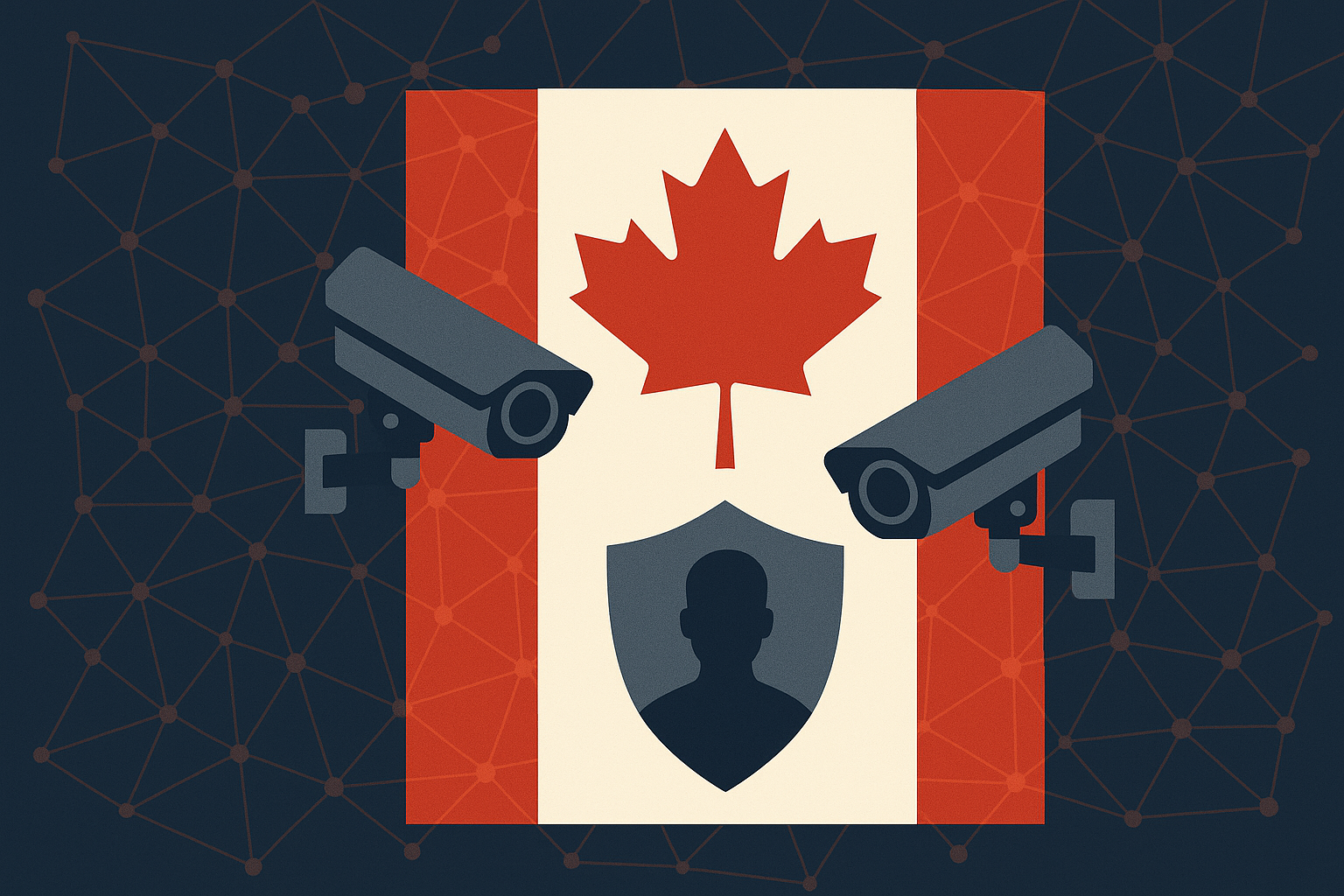
Canadians’ digital privacy has been changing quietly. While headlines focused on elections, inflation and AI, a series of federal bills, Bill C-2, Bill C-4 and now Bill C-22, has changed, or would change, how your personal information can be collected and accessed.
If you’re concerned about government access to your data, third-party tracking or identity exposure, it’s worth understanding what’s at stake, and what a privacy browser can and can’t do about it.
What Are Bills C-2, C-4 and C-22?
Each of these bills touches your privacy in a different way:
- Bill C-4, the Making Life More Affordable for Canadians Act, is mostly about affordability measures. But one part changes the Canada Elections Act so that federal political parties are not covered by provincial privacy laws, and that change reaches back to the year 2000. It became law on March 12, 2026. A Senate amendment that would have ended the exemption after three years was rejected.
- Bill C-2, the Strong Borders Act, was introduced in June 2025. Its lawful access sections would have widened police access to subscriber information without a warrant, cutting against a 2014 Supreme Court ruling that found Canadians have a reasonable expectation of privacy in the subscriber information linked to their IP address. After criticism, the government moved lawful access into a separate bill. C-2 has not passed.
- Bill C-22, the Lawful Access Act, 2026, was introduced in March 2026 and is narrower. As introduced, it would let police, without a warrant, demand only that a telecom provider confirm whether it serves a particular person, account or identifier, if they have reasonable grounds to suspect an offense. Fuller subscriber information would need a production order from a judge, who must find reasonable grounds to suspect the information will help an investigation. The bill also requires certain service providers to build and maintain lawful access capabilities. The House of Commons passed it with amendments in June 2026, and as of October 2026 it is before the Senate.
Privacy advocates have criticized C-4’s political party rules for passing with little debate, and the lawful access bills for giving police wide reach on a low standard.
Why This Matters for Private Browsing
Your IP address is one of the main ways your online activity can be linked back to you. Your internet provider knows which account it was assigned to, and that link can reveal your name and rough location. The Supreme Court has said police generally need a warrant to make that link, and in 2024 it ruled that IP addresses themselves attract a reasonable expectation of privacy. Lawful access bills would change how easily police can start that process, without your knowledge.
Meanwhile, Bill C-4’s retroactive exemption sends a chilling message: privacy rules can be rewritten after the fact.
What a Privacy Browser Can and Can’t Do
A good privacy browser goes beyond “incognito mode,” but it’s important to be clear about the limits. No browser can stop a lawful demand to your internet provider: your provider knows which IP address is yours, whatever browser you use.
Privacy browser features to look for:
- Private mode by default: your history, cookies and sessions don’t stay on your device after you’re done.
- Tracker blocking: some browsers block third-party trackers by default.
- Fingerprint protection: some browsers make your device harder to single out.
- Clear data practices: check the app’s Google Play Data safety section to see what it says it collects.
- A plan for your IP address: hiding it takes a VPN or the Tor network, not just a browser.
Choosing the right private browser, and knowing what it covers, is one part of protecting yourself.
What Incognito Browser Does for Canadian Users
We make Incognito Browser, a free private browser for Android. Here is what it does:
- Private mode all the time: it wipes history, cookies and sessions when you exit the app and keeps no browsing history or cache on your device. Downloaded files are kept.
- Built-in ad blocker: it blocks ads.
- Agent Cloaking: it masks the browser and device that sites see.
- .crypto, .eth and IPFS support: it opens decentralized web addresses.
- Your choice of search engine.
And here is what it doesn’t do: it is not a VPN and does not hide your IP address from websites or your internet provider. It doesn’t offer tracker blocking or fingerprint protection. It also isn’t data-free: its Google Play Data safety section says it may collect crash logs, diagnostics and other app performance data, for analytics. If you need more, Brave, DuckDuckGo and Firefox Focus block trackers by default, and Tor Browser sends your traffic through the Tor network to hide your IP address from the sites you visit.
Most browsers claim privacy. We’d rather tell you exactly what ours covers.
Get Incognito Browser for Android
More Ways to Protect Your Privacy
Pairing a privacy-focused browser with other tools is the smartest approach:
| Tool | Benefit |
|---|---|
| VPN | Hides your IP address from websites and your browsing from your internet provider. You are trusting the VPN provider instead. |
| Private Search Engine | Limits how much your searches are tied to a profile. |
| Encrypted Email | Protects the content of your messages. Details such as who you email may still be visible. |
| Tracker Blocker | Adds tracker blocking if your browser doesn’t have it. |
| Civic Engagement | Contact your MP and senators and ask for stronger privacy laws. |
The Bigger Picture: Privacy Laws in Canada Are at a Crossroads
This isn’t the first time Canadian governments have pushed for wider access to your data:
- In 2012, Bill C-30, an earlier “lawful access” bill, met public outcry and was later dropped.
- In 2014, in R v Spencer, the Supreme Court ruled that police generally need a warrant to get the subscriber information behind an IP address.
- In 2024, in R v Bykovets, the Supreme Court ruled that IP addresses themselves attract a reasonable expectation of privacy under the Charter.
- In 2025 and 2026, Bills C-2 and C-22 revived lawful access, and Bill C-4 shielded federal parties from provincial privacy laws.
As laws change, it pays to own your privacy stack, and your browser is one part of it.
Final Thoughts: Your Digital Life Deserves Better
Privacy isn’t a luxury. It’s a right, and one you may need to actively defend.
Start by choosing a private browser that works for you, and be clear about what it covers. Combine it with other tools, legal awareness and a loud voice in the political process.
Don’t wait for laws to protect you. Take the steps you can today.